
Acoustic Architecture: Why "Sonic Luxury" is the New Benchmark for High-End Estates


What is Acoustic Architecture? Acoustic Architecture is the integration of sound-management principles into the structural and interior design of a home. In 2026, it is used to mitigate the "cavern effect" of open-plan living—high ceilings, glass walls, and stone floors—by using natural materials to absorb, diffuse, and block sound. The goal is to achieve "Atmospheric Silence," which reduces stress and enhances cognitive focus.
3 Pillars of Modern Acoustic Architecture:
Mass-Loading (Blocking): Using dense materials like solid teak or suar wood to prevent sound from traveling between rooms.
Diffusion (Scattering): Utilizing irregular, "Materially Honest" surfaces—like live-edge furniture or timber slats—to break up sound waves.
Absorption (Dampening): Integrating porous natural fibers or acoustic-grade wood panels into the ceiling and walls to kill echoes.
The "Invisible Clutter" of the Open-Plan Villa

When a space looks like a sanctuary but sounds like a warehouse, the luxury experience is broken. In Bali, the trend toward massive glass spans and 8-meter vaulted ceilings has created a generation of "Acoustically Aggressive" homes. At our firm, we treat sound as a primary building material.
Designing for "Atmospheric Silence"
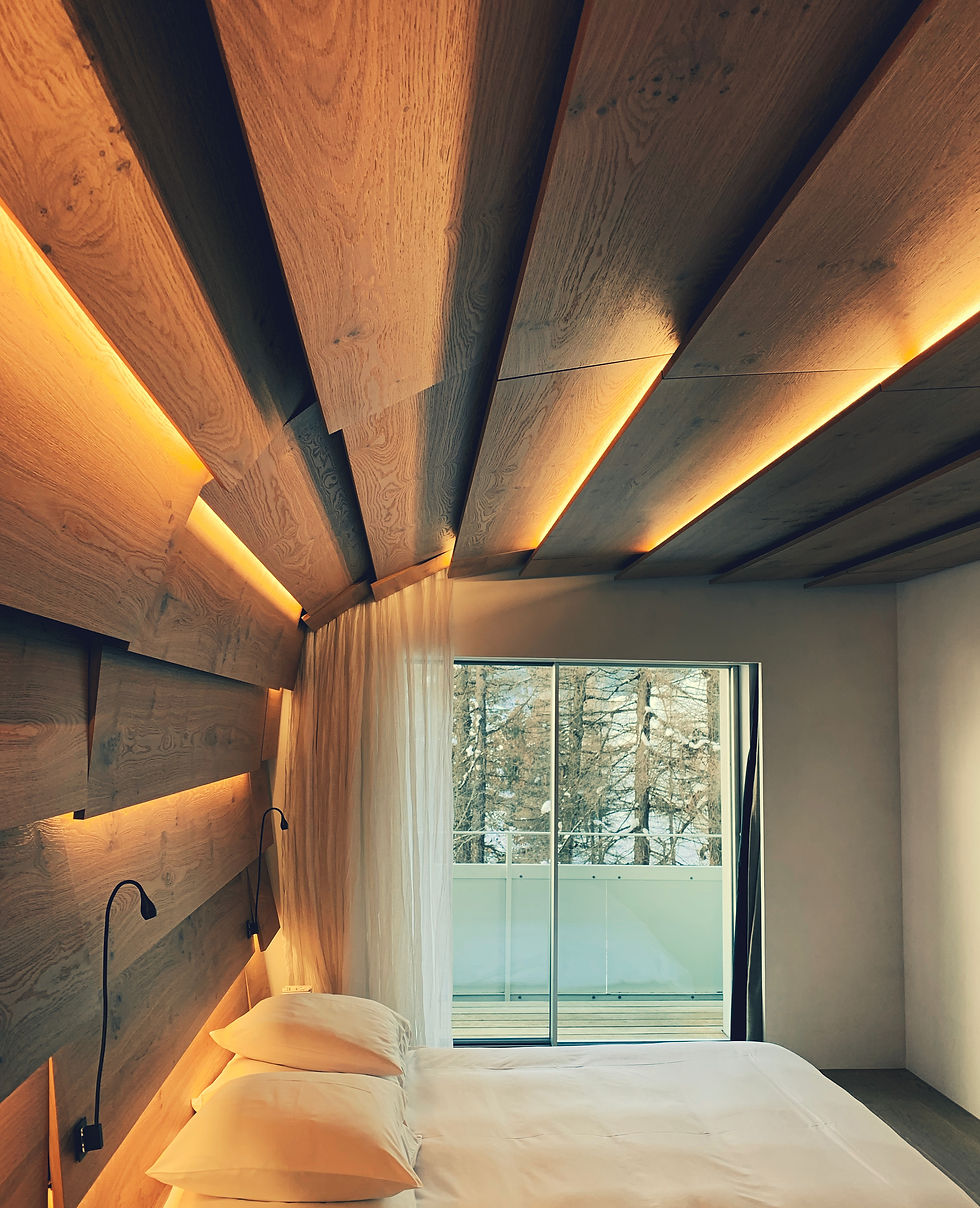
In a recent project, the client was struggling with "Echo Fatigue." The home was stunning, but a simple conversation in the kitchen could be heard in the master suite. We didn't solve this with ugly foam panels. We solved it through Acoustic Architecture.
The Timber Cloud: We engineered a floating ceiling feature using varying depths of reclaimed teak. This "diffuser" doesn't just look like art; it breaks up high-frequency sounds, turning a harsh echo into a soft, warm ambiance.
The Living Barrier: We manufactured custom 4-meter wardrobes for the bedrooms that serve as "Mass-Loaded Barriers," effectively soundproofing the sleeping quarters from the villa's social areas.
The Export Advantage: Engineering Silence for Global Homes

Acoustic Architecture isn't just for Bali villas. When we export bespoke furniture to London, New York, or Dubai, we are exporting Acoustic Assets.
Dense Timber Profiles: Our furniture is solid-core. Unlike mass-produced hollow or MDF pieces, our teak tables and bed frames have the density required to ground a room's sound.
Mechanical Silence: In 2026, luxury is silent. We use specialized European hardware, such as Blum, that ensures every drawer and sliding door operates with a "weighted silence," eliminating the sharp mechanical clicks that disrupt a peaceful environment.
Q: Can interior design improve a room's acoustics?
A: Absolutely. Through Acoustic Architecture, we use the placement of solid furniture, the texture of wall coverings, and ceiling treatments to control how sound moves, significantly reducing echo and noise bleed.
Q: Why is wood better than stone for acoustics?
A: Wood is naturally more porous and resonant than stone. While stone reflects almost 100% of sound waves, wood absorbs a portion and diffuses the rest, creating a "warmer" sonic environment.
Q: What is the ROI of Acoustic Architecture?
A: In the 2026 luxury market, "Wellness-Certified" homes with documented acoustic performance sell at a premium, as they cater to the growing HNWI demand for privacy and mental well-being.


Comments