
The Bali Trash Problem: Why it's a Wake-Up Call for Global Design

Updated: Apr 23
1. The Current Crisis: A Smoke Emergency in Paradise
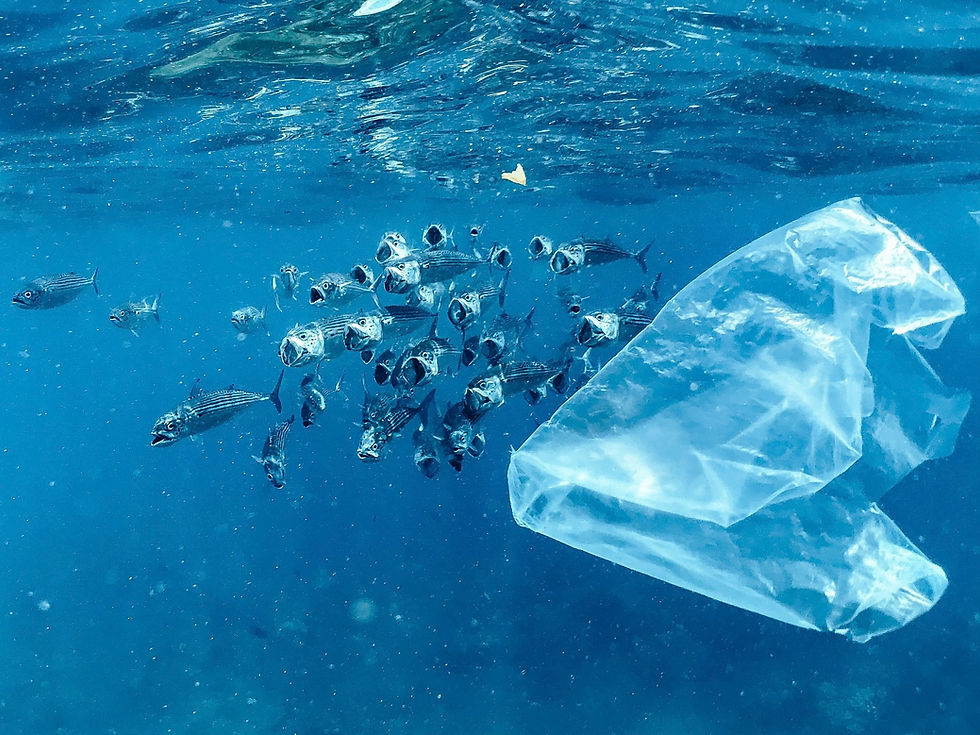
The Bali trash problem has reached a fever pitch. On April 1, 2026, the provincial government officially banned organic waste from the Suwung Landfill. The goal was to force waste separation at the source, but the infrastructure wasn't ready.
With the landfill’s total shutdown looming on August 1, illegal trash fires are now sprouting across the island. When you see that thick, black smoke rising behind a luxury villa, you aren't just looking at burning plastic—you're looking at the failure of a "throwaway" culture that has finally run out of room.
2. The Silent Giant: Why Furniture is Clogging the System
When people talk about plastic pollution in Bali, they usually point to bottles and straws. But the "silent giant" of waste is Fast Furniture.
The Bulk Issue: While a plastic bottle is small, a discarded MDF wardrobe or a "disposable" particle-board sofa takes up massive cubic space. Landfills like Suwung are reaching 10 storeys high because we are filling them with "temporary" luxury items.
The Toxic Burn: Unlike organic waste, modern mass-produced furniture is held together by formaldehyde-based resins and toxic glues. When these items are burned—as is happening across Bali right now—they release carcinogenic fumes into the air we breathe.
3. The "Fast Furniture" Trap: Engineered to Fail

Our global relationship with furniture has become as disposable as a coffee cup. Furniture waste statistics in 2026 show that the average lifespan of an "affordable" sofa has dropped to just three years.
The Myth of Recyclability: Most people assume their furniture can be recycled. In reality, chemical-heavy composites (MDF) are almost impossible to repurpose. They are destined for a landfill from the day they are manufactured.
The Bali Strain: On an island with limited land, every "seasonal" decor item you buy is a direct contribution to the Bali trash problem.
4. The Solution: Investing in a "Carbon-Negative" Legacy

At Azula Designs, we believe the only ethical path forward is a return to Bespoke Quality. * Zero Landfill Footprint: A solid teak dining table never sees the Suwung Landfill. It is a 100-year asset. If it gets damaged, it’s sanded. If the style changes, it’s refinished.
The Circular Economy: We are moving toward a model where every piece of furniture is a "Carbon Sink"—using SVLK certified timber that supports the island’s forests rather than its dump sites.
How You Can Take Action: Supporting the Frontlines

The Bali trash problem is a massive challenge, but organizations are working tirelessly to fix the infrastructure, clean the rivers, and educate the community. If you want to help solve the waste crisis in Bali, consider supporting these local leaders:
1. Sungai Watch
Founded by Gary Bencheghib and his siblings, this organization is famous for installing "Trash Barriers" in Bali's rivers to stop plastic before it ever reaches the ocean. They are currently leading the charge in data collection to hold big corporations accountable for their packaging.
How to help: Join a weekly community cleanup or sponsor a river barrier.
Website: sungai.watch
2. ecoBali Recycling
Operating since 2006, ecoBali is the gold standard for waste management on the island. They provide sorting bins, composting kits, and a reliable collection service that ensures your waste actually gets recycled rather than ending up in the Suwung landfill.
How to help: If you live in Bali, sign up for their waste collection service to ensure your sorting efforts aren't wasted.
Website: eco-bali.com
3. Malu Dong Buang Sampah Sembarangan
A grassroots movement focused on education and "mindful disposal." They work heavily with local schools and "Banjar" (village) leaders to change the cultural mindset around littering and open burning.
How to help: Support their educational programs aimed at the next generation of Balinese environmental stewards.
Website: maludong.com
4. Plastic Bank
This organization turns plastic waste into a currency. By setting up collection branches across Bali, they allow locals to exchange plastic for money, healthcare, or school tuition, effectively turning "trash" into a tool for poverty alleviation.
How to help: Donate to help expand their collection infrastructure across more remote areas of the island.
Website: plasticbank.com
The Final Word on the Bali Trash Problem (for the Conscious Designer)
At Azula Designs, we believe that beautiful interiors shouldn't come at the cost of the environment. By choosing sustainable interior design and supporting these NGOs, you aren't just buying furniture—you are participating in the healing of an island.
The Suwung closure is a deadline we can’t ignore. Let’s choose quality over waste.


Comments