
Sustainable Furniture from Indonesia: Ethical Sourcing, Eco-Friendly Materials & What to Look For


Sustainability has become one of the most important considerations for furniture buyers worldwide ( and one of the most misunderstood).
In the Indonesian furniture context, people use the term "sustainable" VERY loosely. Some suppliers use it to mean they plant a tree for every one they cut. Others use it because they work with bamboo (which grows quickly). Others use it with no particular meaning. It's simply a word that sells.
This guide cuts through the muck. It explains what sustainable Indonesian furniture actually means, how the certification systems work, which materials are genuinely eco-friendly and why, and — most importantly — how to verify a supplier's sustainability claims before you place an order.
Why Indonesia's Furniture Industry Sustainability Record Is Complex
Indonesia is the world's largest exporter of tropical furniture. Tropical forests are among the world's most biodiverse and ecologically critical ecosystems. The furniture industry's relationship with those forests has historically been complicated.
Indonesian furniture manufacturers have emerged as leaders in eco-friendly and sustainable solutions, committed to responsible sourcing, innovative design, and ethical production.But this positive trajectory is relatively recent. For decades, illegal logging was a significant problem in Indonesia. Timber was harvested from protected forests, falsely documented, and exported without proper oversight.
The good news is that this has changed substantially. The Indonesian government and industry stakeholders have implemented robust systems to ensure that timber harvesting is legal, ethical, and environmentally responsible, directly addressing the growing global demand for eco-friendly products and supply chain transparency.
The result is a certification and compliance framework (led by the SVLK system) that makes Indonesian timber one of the most rigorously documented in the world. But the system only works if buyers know how to use it.
The SVLK: Indonesia's Timber Legality System Explained

The SVLK (Sistem Verifikasi Legalitas Kayu — Timber Legality Assurance System) is Indonesia's mandatory national timber verification framework. Introduced in 2009 and strengthened since, it requires every timber business in Indonesia — from plantation to sawmill to furniture manufacturer to exporter — to be audited and certified by an independent third-party verifier.
What SVLK certification confirms:
The timber was harvested legally from a licensed source
The harvesting was carried out in accordance with Indonesian forestry regulations
The chain of custody from forest to finished product is documented and auditable
The exporting company is authorised to export timber products
Why SVLK matters for buyers:
It satisfies the EU Timber Regulation (EUTR) and the newer EU Deforestation Regulation (EUDR) requirements for buyers importing into Europe
It satisfies the Lacey Act requirements for buyers importing into the United States
It provides legal protection — buyers importing from SVLK-certified suppliers are protected against liability for illegal timber
It's a meaningful sustainability signal, not just a paper exercise — SVLK audits are conducted by independent certifiers, not self-reported
What SVLK does not confirm: SVLK is a legality system, not a full sustainability certification. It confirms the timber was legally sourced — it doesn't independently verify sustainable forest management practices beyond Indonesian law. For the strongest sustainability assurance, look for FSC certification alongside SVLK.
FSC Certification: The Gold Standard
The Forest Stewardship Council (FSC) certification is widely considered the internationally recognised gold standard for responsible forest management. FSC-certified wood ensures forests are managed ethically, covering not just legality but environmental impact, biodiversity protection, worker rights, and community engagement.
FSC certification in Indonesia applies primarily to plantation-grown teak and other managed timber species. It's more demanding to obtain than SVLK, and not all Indonesian suppliers hold it. However, for buyers who want the strongest possible assurance on their furniture's environmental credentials, FSC certification is the benchmark to ask for.
At Azula Designs: All our partner workshops hold current SVLK certification. We work with FSC-certified timber sources where available and can provide documentation on request for any order.
Sustainable Materials: The Indonesian Furniture Palette
From a sustainability perspective, not all materials are equal. Here's an honest assessment of the main Indonesian furniture materials and where each sits on the sustainability spectrum.
Plantation Teak: Highly Sustainable

Indonesian plantation teak is one of the most sustainably managed timber species in the world. Indonesian furniture manufacturers often get teak from sustainably managed plantations, minimising impact on natural forests and preserving valuable ecosystems.
Indonesian plantation teak is grown primarily in Java under Perum Perhutani (the state forestry enterprise), with harvesting cycles of 25–80 years depending on the end use. The plantation system means no old-growth forest is touched; trees are grown specifically for harvest, replanted continuously, and managed under government oversight.
The environmental case for plantation teak furniture is strong: the material is durable enough to last 50–75+ years, meaning the carbon footprint per year of use is very low. A teak dining table that lasts three generations has a fraction of the environmental impact of a fast-furniture piece that needs replacing every 5–7 years.
Sustainability rating: Excellent — provided SVLK or FSC certification is verified.
Reclaimed Teak: The Most Sustainable Option
Reclaimed teak (salvaged from old buildings, demolished structures, and retired boats) requires no new timber harvesting. It repurposes material that would otherwise be waste. The aged character of reclaimed teak produces furniture with a distinctive patina that new timber cannot replicate.
Choosing Indonesian teak from reputable manufacturers directly supports responsible practices — investing in a system that values long-term environmental health over short-term gains.
Reclaimed teak takes this principle to its logical conclusion: zero net timber consumption, maximum material longevity.
The practical consideration: reclaimed teak is less predictable in dimensions and grain consistency than new plantation teak. Hence, it's better suited to statement pieces and live-edge designs than to furniture requiring precise matching across multiple pieces.
Sustainability rating: Outstanding — the most eco-friendly timber furniture option available.
Bamboo: Exceptionally Renewable
Bamboo is technically a grass, not a wood. Its growth rate makes it one of the most renewable materials on earth. A bamboo culm reaches harvestable maturity in 3–5 years compared to 25–80 years for plantation teak. The root system survives harvesting and immediately produces new growth, meaning the land is never cleared, and replanting is unnecessary.
Indonesia is one of the world's largest bamboo producers, and the material's structural strength makes it genuinely functional for furniture, not just decorative.
The sustainability caveat: bamboo furniture production sometimes involves adhesives and treatments that introduce chemicals into what would otherwise be a pure natural material. Ask suppliers about the adhesives and finishes used in bamboo furniture construction — water-based or natural oil finishes are preferable to solvent-based treatments.
Sustainability rating: Excellent — one of the most renewable furniture materials available.
Rattan: Sustainable and Socially Valuable
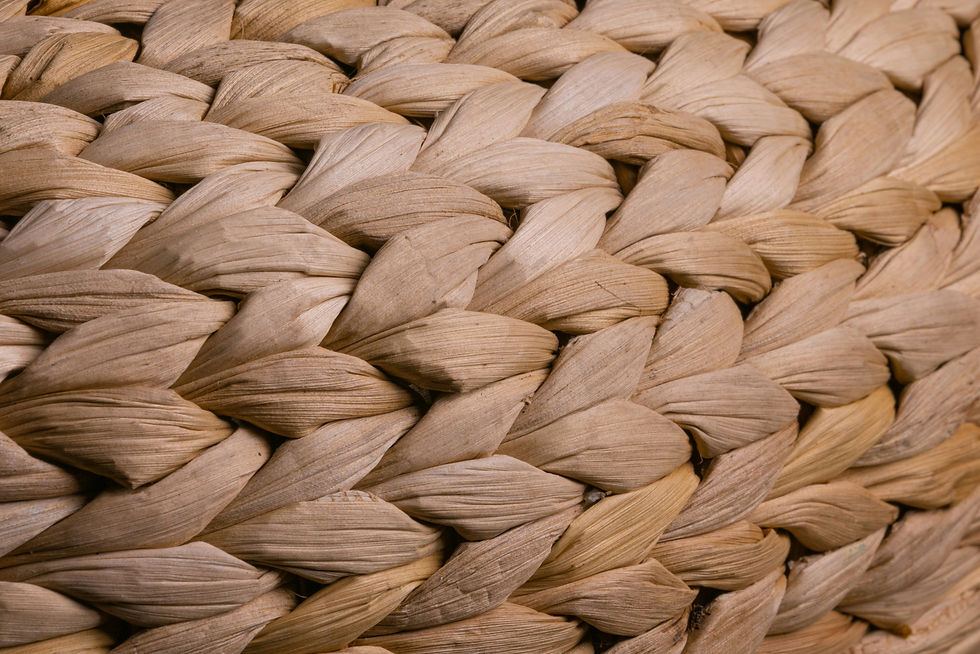
Indonesia supplies approximately 80% of the world's rattan. Rattan is a climbing palm harvested from managed forest areas rather than cleared land. Unlike timber harvesting, rattan harvesting doesn't require felling trees. The canes are cut while the root system and surrounding forest remain intact.
You can't have sustainable materials without a sustainable supplier. Working with suppliers that ensure responsible timber harvesting and fair treatment of workers is essential. For rattan, this means sourcing from suppliers who work with documented Indonesian rattan producers rather than imported synthetic alternatives marketed as "rattan."
The social sustainability dimension of Indonesian rattan is particularly strong. Rattan harvesting and weaving support hundreds of thousands of rural Indonesian livelihoods, making it one of the most socially and environmentally responsible furniture materials available.
Sustainability rating: Excellent — provided natural Indonesian rattan rather than synthetic PE alternatives.
Mahogany: Good, With Caveats
Indonesian mahogany (Swietenia macrophylla) is plantation-grown and SVLK-certified from reputable suppliers. The caveat is that mahogany species have historically been subject to illegal logging pressures, and the broader mahogany family includes CITES-restricted species.
For Indonesian plantation mahogany from verified sources, the sustainability credentials are solid. Always ask for SVLK documentation and confirm the species classification with your supplier.
Sustainability rating: Good — verify certification carefully.
Suar Wood (Rain Tree): Sustainable by Nature

Suar (Albizia saman / Samanea saman) is notable because it's typically harvested from trees that have reached the end of their productive agricultural life — often grown as shade trees in coffee and cocoa plantations. Using suar for furniture gives new purpose to trees that would otherwise be cleared as agricultural waste.
The distinctive wide slabs and dramatic grain of suar furniture are a byproduct of the tree's natural growth pattern. A large, spreading canopy tree that produces wide, character-rich timber unlike plantation-grown species. Every piece is genuinely unique.
Sustainability rating: Very good — repurposes agricultural byproduct timber.
What Sustainable Manufacturing Actually Looks Like

Material sourcing is only one dimension of sustainability. The manufacturing process matters too. By embracing energy-efficient practices, Indonesian manufacturers showcase their dedication to minimising the environmental impact of furniture production. Sustainability in Indonesian furniture manufacturing extends beyond environmental considerations to include social responsibility. Many manufacturers actively engage with local communities, providing fair employment opportunities and supporting community development initiatives.
What to look for in a sustainable Indonesian furniture workshop:
Finish materials: Natural oil finishes (tung oil, linseed oil, Danish oil) and natural wax are the most eco-friendly options. Water-based lacquers are a reasonable middle ground. Solvent-based polyurethane and nitrocellulose lacquers are the least sustainable finish options — they off-gas VOCs (volatile organic compounds) during application and curing.
Waste management: Quality workshops use timber offcuts for smaller components, kindling, or compost rather than sending them to landfill. Ask whether your supplier has a timber waste policy.
Worker welfare: Sustainable furniture isn't just about forests. Fair wages, safe working conditions, and community investment are part of the picture. Sustainable furniture comes from companies that prioritize the welfare of their workers and the local community. Reputable Bali workshops pay above regional minimum wage and employ local craftspeople with long-term employment relationships — not piece-rate outsourced labour.
Packaging: Responsible exporters use minimal, recyclable packaging materials and avoid single-use plastic wrapping where possible. Ask about your supplier's packaging approach for international shipments.
How to Verify Sustainability Claims
This is where most buyers get caught. Sustainability is easy to claim and difficult to verify without knowing what to ask. Here's a practical checklist:
Ask for SVLK certification documents: Every legitimate Indonesian furniture exporter holds current SVLK certification. Ask for the certificate number and verify it at the SVLK public database (sipuhh.menlhk.go.id). If a supplier can't provide this, walk away.
Ask for FSC certification if it's a priority: Not all suppliers hold FSC certification — it's more demanding and expensive to obtain — but suppliers who do will provide it readily. If FSC is important to you, make it a condition of the quote.
Ask about timber species and source: "Indonesian teak" should mean plantation-grown Java teak, not wild-harvested teak from protected forests. Ask specifically where the timber comes from and request a Certificate of Origin.
Ask about finish materials: Request the specific finish product or formulation used on your furniture. A supplier using natural oils will tell you exactly what they use. Vague answers about "eco-friendly lacquer" warrant follow-up questions.
Visit or request workshop photos: A genuinely sustainable workshop is not something a supplier will hide. Request photos or a video call showing the production environment — working conditions, waste management, and material storage all tell you how the business operates.
Check for CITES compliance on specific species: If your furniture includes rosewood, ebony, or other species listed under CITES Appendix II or III, you need an export permit. Reputable exporters manage this automatically. However, it's worth confirming for any furniture that includes these species.
The Longevity Argument: Why Durable Furniture is Sustainable Furniture
According to the MaxiHome Sustainability Index, the single most sustainable furniture decision you can make is to buy something that lasts. Buyers seeking reliable, sustainable, and high-quality furniture exporters find Indonesia remains one of the most promising sourcing destinations in 2026 and beyond.
The arithmetic is straightforward. A solid teak dining table that lasts 60 years and then is passed to the next generation has a carbon footprint a fraction of a composite wood table that needs replacing every 7–10 years. Even if the composite table was made from "recycled" materials.
Fast furniture is the furniture industry's equivalent of fast fashion. Cheap to produce, quick to discard, and environmentally catastrophic at scale. The antidote is exactly what Indonesian handcrafted furniture represents: materials chosen for longevity, construction methods built to last generations, and a design aesthetic that doesn't date.
When you buy a custom piece of Indonesian teak furniture, you're not just making a purchasing decision. You're opting out of the replacement cycle that drives most of the furniture industry's environmental impact.
Azula Designs' Sustainability Commitment
At Azula Designs, we take sustainability seriously. Every partner workshop in our network holds current SVLK certification. We specify plantation-grown or reclaimed timber for all orders. We use natural oil and water-based finishes as standard, and request low-VOC alternatives for clients with specific environmental requirements.
We also believe in transparency. If you want to know the specific timber source, the workshop's certification status, or the finish materials used on your order, we'll tell you. By adopting sustainable practices, businesses can reduce their environmental impact, attract customers who are willing to pay a premium for sustainable products, reduce costs, and enhance their reputation.
We'd add: they can also sleep better knowing the furniture they've commissioned hasn't come at the expense of a forest that can't be replaced.
Frequently Asked Questions
Q: Is Indonesian furniture sustainable? A: It depends on the supplier and their certification status. Indonesian furniture from SVLK-certified workshops using plantation-grown teak, rattan, or bamboo is among the most sustainably produced furniture available anywhere in the world. Indonesian furniture from uncertified sources with unverified timber origins is a different matter entirely. Always ask for certification documentation.
Q: What is SVLK certification and how do I verify it?
A: SVLK is Indonesia's mandatory Timber Legality Assurance System — a government-mandated certification framework that verifies timber has been legally harvested and processed. You can verify a supplier's SVLK certificate at sipuhh.menlhk.go.id using their certificate number.
Q: Is teak furniture eco-friendly?
A: Plantation-grown Indonesian teak from certified sources is genuinely eco-friendly — managed under sustainable forestry practices, harvested on rotation, and extraordinarily durable in use. The environmental case is strongest when you factor in longevity: teak furniture that lasts 60+ years has a very low lifetime carbon footprint relative to shorter-lived alternatives.
Q: What is the most sustainable Indonesian furniture material?
A: Reclaimed teak requires no new timber harvesting and repurposes existing material — making it the most eco-friendly option. Bamboo is the most renewable new material given its 3–5 year growth cycle. Rattan is the most socially sustainable, supporting hundreds of thousands of rural Indonesian livelihoods through a harvesting method that doesn't damage the surrounding forest.
Q: How can I tell if a furniture supplier's sustainability claims are genuine?
A: Ask for SVLK certificate documentation and verify it independently. Ask specifically about timber species and source. Request information about finish materials. A supplier with genuine sustainability credentials will answer these questions readily and with documentation — vague or evasive answers are a red flag.
Q: Does sustainable furniture from Indonesia cost more?
A: Not necessarily. SVLK-certified plantation teak from reputable Indonesian workshops is the standard offering from established exporters. The price premium for certified sustainable Indonesian furniture over uncertified alternatives is typically small. The price difference between Indonesian sustainable furniture and equivalent quality from European or North American sustainable furniture brands remains very significant (typically 40–60% lower even after shipping and import duties)


Comments